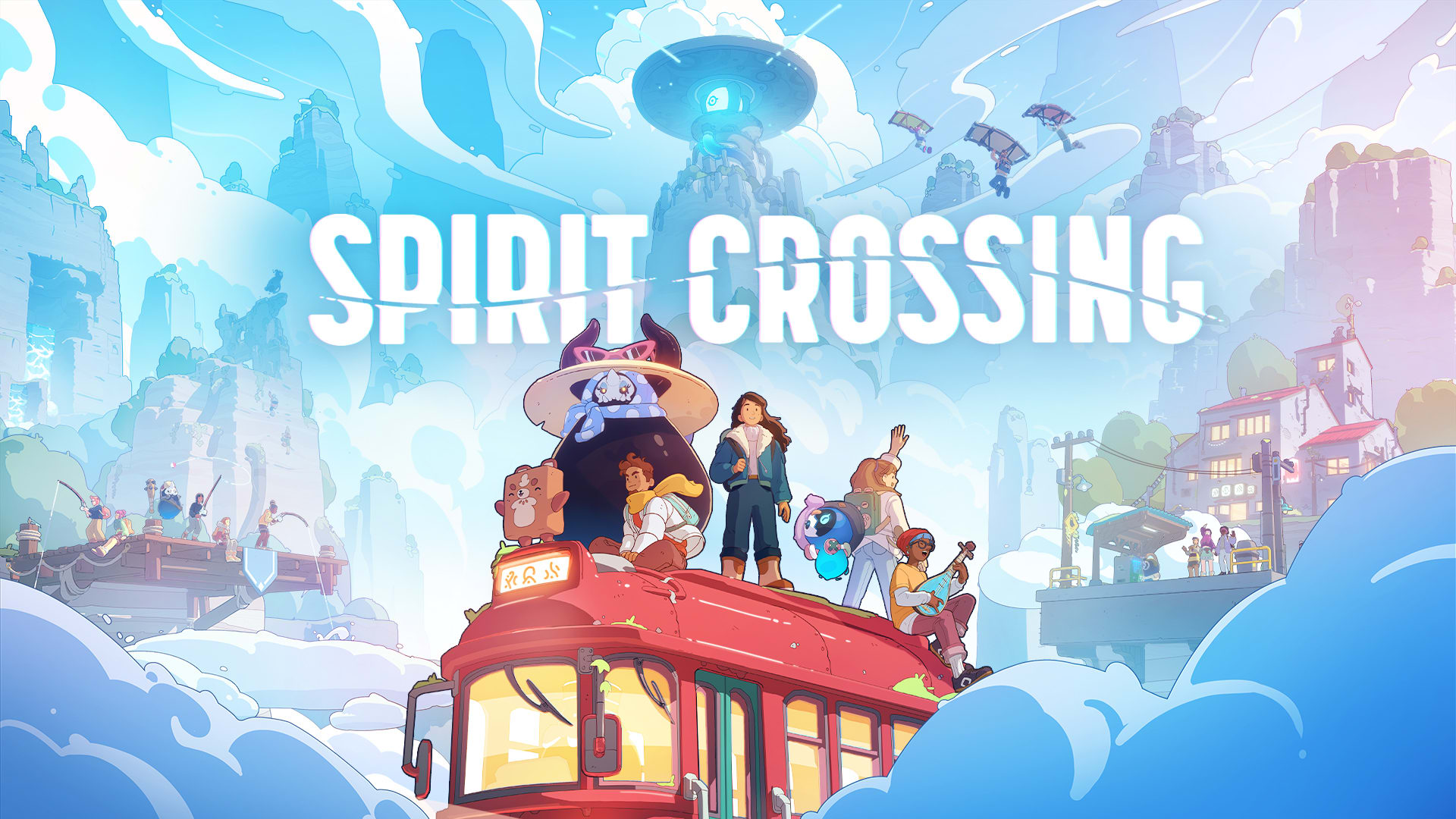
Spirit Crossing is built around a simple but powerful promise: make a life with other people. Spry Fox’s cozy MMO blends home design, shared spaces, whimsical travel, and a community goal to restore bonds between worlds.
Home design can be a social feature, not just decoration
Spry Fox specifically highlights decorating your home, while Nintendo describes customizing your look and designing a home for hosting friends. That wording gives housing a role beyond collecting furniture. A home can be a place to express taste, but it can also become a meeting point where friends gather between shared activities. When a game makes visiting feel easy, decorating can turn into a form of communication: players show what they value and give other people a reason to stop by.
The design challenge is making that social layer feel welcoming without making it feel like homework. Some players enjoy building elaborate rooms; others want a simple, comfortable place and more time exploring. The confirmed pitch includes both customizing and socializing, which could let different play styles coexist. We do not yet know the exact building tools or limits, so a detailed room-planning guide would be premature. The safe takeaway is that Spirit Crossing wants the home to support connection as well as personal expression.
Restoring bonds gives the group a shared reason to act
Nintendo’s announcement describes a community of lost spirits, fellow humans, and small bears with big personalities. Players work together to fight back magical storms and restore broken bonds between worlds. That gives the cozy setting a shared objective, which can help an MMO feel like more than a collection of players passing through the same scenery. A common challenge can create small stories: someone needs help, a group coordinates, and the world feels a little more connected afterward.
The language about restoring bonds is thematic rather than a complete progression specification. Nintendo has not laid out the precise storm events, reward structure, or pace of shared world changes in the announcement. It would be a mistake to invent those systems. But even at a high level, the design hook is clear: the cozy tone sits beside a collective problem, and players are invited to contribute together. That balance may appeal to people who like social games with a purpose but do not want every session to revolve around combat.
Small activities can make online worlds feel lived in
The Spry Fox page names building with friends, taking a fluffalo train, and joining a jam session. These details are useful because they show how a shared world can feel active even when players are not chasing a major objective. A train ride creates a reason to move through the environment together. A jam session suggests a playful social moment. Building gives players a practical task. Cozy online games often succeed when they make the space between goals enjoyable, and these announced activities point in that direction.
They also suggest different ways to participate. One player might spend a session decorating; another might explore with a friend; a group could gather for a music moment or shared project. The game’s public materials do not yet explain how these activities are unlocked or whether they are repeatable, so we should not oversell their depth. Still, the variety matters. A social world needs more than a chat box; it needs places and actions that give people something natural to do together.
The best social game is one your friends can actually join
Nintendo announced Spirit Crossing as a console exclusive for Switch and Switch 2, with a November 16 launch date in its showcase announcement. Spry Fox’s website also points players to a demo on Steam and a Steam/Epic wishlist, while Games Press’ release announcement mentions a November 16 debut on Nintendo platforms and PC storefronts. This discrepancy in how the announcements describe platform timing means players should check the game’s own store pages for their region and platform before planning a group night.
Cross-platform play, account requirements, and subscription rules are important practical questions for an online life sim. The sources we reviewed do not give a complete answer to all of them. Nintendo’s general showcase footnotes say online play requires Nintendo Switch Online for Nintendo platforms, but specific terms should be checked on the relevant platform listing. If you are interested, use the demo where available and confirm which friends can join you. That is more useful than assuming every online feature works identically across every storefront.
Why the MMO label matters for cozy players
A cozy MMO can offer a different relationship with time than a traditional quest-driven RPG. Instead of finishing a mission and leaving, players may build familiarity through repeated visits, shared spaces, and small ongoing interactions. That format can make a world feel inhabited, but it also creates expectations around stability, updates, and respectful community systems. Spry Fox’s description emphasizes friendship and community, which is a clear creative goal; the actual feel will depend on how the game handles discovery, privacy, and the pace of group activities.
For players who prefer a solo experience, the key question is whether the world remains enjoyable when friends are offline. Public messaging centers community, but it does not yet say how much content can be enjoyed alone. That is worth checking in the demo or launch information. If you enjoy meeting people in low-pressure spaces, Spirit Crossing’s premise may be appealing. If you want a tightly scripted, entirely offline story, its online-first identity may not fit your habits as neatly.
Who should watch Spirit Crossing?
Spirit Crossing is worth watching for players who want a shared cozy world, enjoy decorating, or like the idea of recurring activities with friends. Its confirmed features—home design, collaborative building, whimsical travel, music, a community of spirits and bears, and a collective effort against magical storms—give it a recognizable identity. The November date makes it timely, but the most useful test will be whether the demo shows a welcoming pace and whether the online tools make it easy to play with the people you know.
Before launch, keep an eye on official platform pages for the exact regions, demo availability, subscription details, and cross-platform information. Those practical details can shape whether a group can actually join the same world. The interesting promise is not that Spirit Crossing will be the biggest MMO; it is that it wants the small moments of an online community to matter. If Spry Fox delivers on that promise, the game could make a train ride, a shared build, or a casual visit feel like the main event.
CHECK THE ORIGINALS.
Facts and update details above are based on these official sources. Details can change as the game is updated.
- Spirit Crossing ↗Spry Fox
- New Indie World Showcase features cosy and chaotic fun ↗Nintendo
- Spirit Crossing announcement ↗Games Press / Spry Fox
Loading comments…