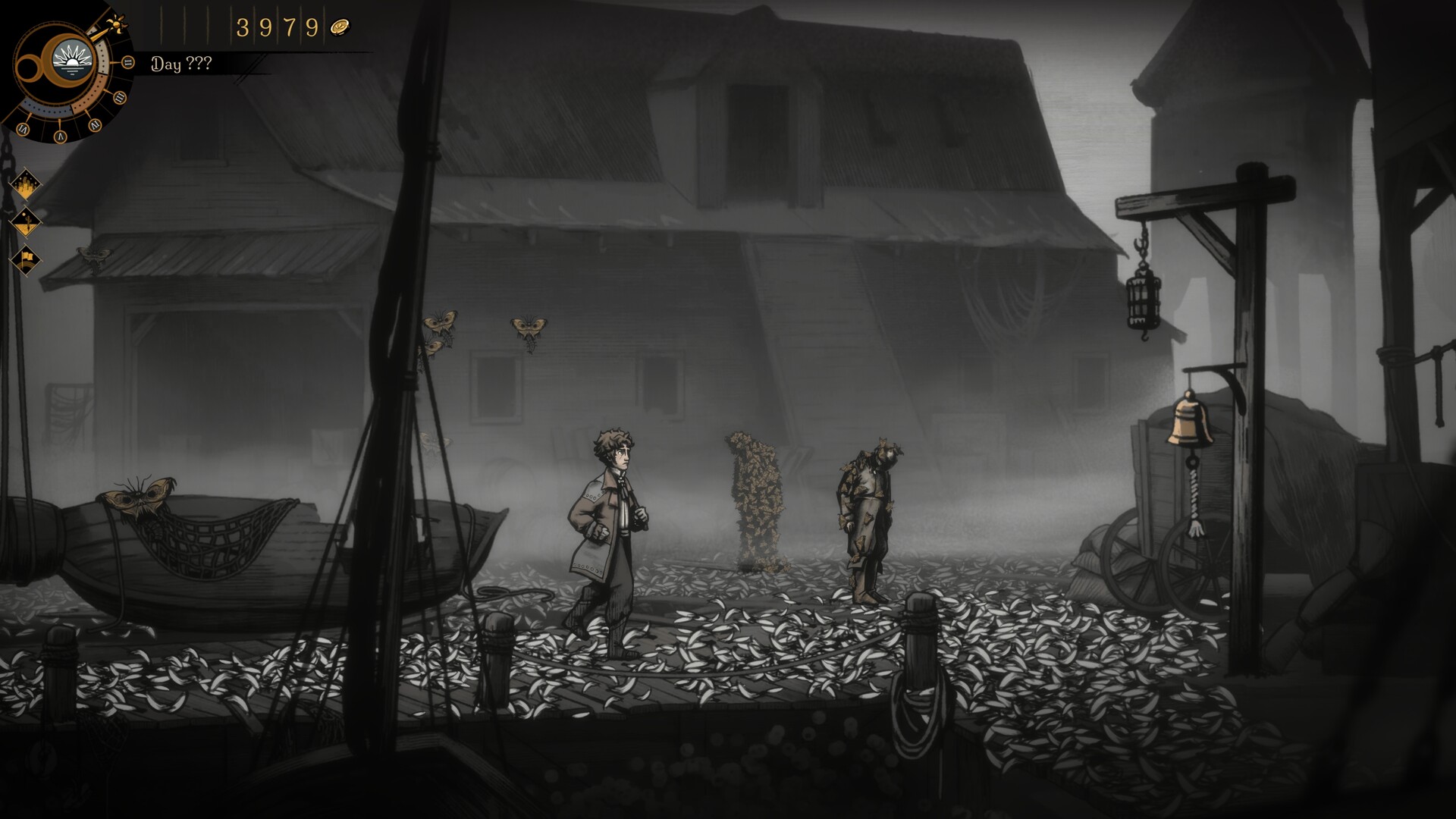
Curse of Resthaven mixes a six-day time loop with town management, investigation, trading, and card-based expeditions. This spoiler-light first-loop guide helps you choose priorities without pretending there is one perfect route through the island’s mystery.
Think of the first six days as a learning loop, not a checklist
Curse of Resthaven launched on October 29, and its expanded Steam demo offers a useful look at the game’s central rhythm: six days on an island, a glimpse into the next loop, and many competing ways to spend limited time. The official demo page says major actions cost time, whether you are trading, interrogating residents, or heading out on an expedition. That makes prioritizing the heart of the experience.
The demo covers the full six-day loop and the first day of a second one. It also lets players pursue three parallel storylines, with early choices shaping one of three world states. You are not expected to uncover the entire mystery in one pass. Treat the first loop as a chance to learn how the town works and decide which question interests you most.
This guide avoids story spoilers and does not prescribe one optimal sequence. Your actions can affect prosperity, leads, opportunities, and risks, according to the game’s official description. A route that suits a player interested in town upgrades may not suit someone eager to follow a particular resident. Choose a clear priority and accept that some options will have to wait for another loop.
Choose a storyline with curiosity, then follow it for a while
The beginning of the demo determines which of three paths and world states you enter. That is a meaningful choice, but it does not mean you have to know the whole plot in advance. Pick the opening that feels most interesting, note how the town responds, and give that thread enough time to reveal its context before switching your attention to every side activity.
When a resident hints at a problem or an unusual event, record the name and place connected to it. Use your next conversation or town visit to follow up. The demo allows you to question residents, and conversations can help point you toward leads. Avoid clicking through dialogue simply to reach an expedition; the people are a central part of the investigation and the colony-management loop.
Because the paths lead to different world states, a second run can show content you did not see the first time. That replay structure makes an early choice feel like an invitation to explore, rather than a one-time test you must pass. If you are uncertain, choose based on the story detail you want to understand first and save the other branches for a later attempt.
Spend each day on one or two actions that support your plan
Every major action costs time, and the six-day window is intentionally limited. The demo’s Steam page specifically lists trade, interrogation, and expeditions as time-consuming actions. Before committing, ask what the action gives you: a clue, a request completed, a resource, a business upgrade, or preparation for the next challenge. A clear reason makes it easier to decide whether the cost is worthwhile.
Try not to treat every open activity as equally urgent. If you are following a storyline, prioritize the conversations and leads that connect to it. If you want to understand the town economy, spend time with a merchant and see what a request or upgrade changes. You can explore several systems over multiple loops; trying to sample everything immediately can leave you with many half-finished threads.
At the start of a day, pick a main task and a fallback. For example, investigate a resident first, then use remaining time on a trade if the relevant merchant is available. The game does not promise that every task will fit neatly into a schedule, so use this as a planning habit, not a claim about exact action costs. When an opportunity appears, compare it with the goal you already chose.
Use the four town zones and six vendors as a working hub
The expanded demo opens all four town zones and allows players to unlock six vendors. Visiting merchants, meeting requests, and upgrading businesses are all part of preparing for what lies beyond the town. Instead of viewing every shop as a separate errand, think about the need you are trying to address: supplies, progression, a lead, or a more prepared expedition loadout.
Merchant ships can be traded with, and the official page says you can satisfy their requests. Before spending resources, read what is being asked for and what the exchange appears to offer. Keep track of items you may need for a specific storyline or expedition rather than selling everything as soon as it appears. The source does not publish a universal best trade, so your choice should reflect the route you are currently pursuing.
Business upgrades are another reason to invest in the town. If a shop or service connects to the way you want to play, note its cost and likely benefit before committing. A stronger town can support later attempts, but an upgrade is only useful if it serves your current plan. Use the first loop to notice which services you return to most, then decide whether one is worth prioritizing in a later cycle.
Read the advantage and disadvantage before picking a Boon Card
The demo includes a progression system where a Boon Card provides powerful advantages alongside unpleasant disadvantages. Those trade-offs can affect the next loop, which means a card should be chosen for a plan rather than its headline benefit alone. Read both sides and think about which part of your route you expect to use most often.
If a card improves an activity you intend to pursue, ask whether its drawback could make another necessary task harder. A bonus that looks strong in isolation may be awkward if it conflicts with the way you investigate or prepare. Since the full list of cards and their changing balance can evolve, rely on the live in-game description instead of an old screenshot or a generic tier ranking.
For a first loop, choose a card that helps you understand a system you want to test. Note how it changes your choices and whether the disadvantage becomes noticeable. That makes the next loop more informative: you can compare the experience with a different boon rather than selecting blindly. The point is not to avoid every drawback, but to decide knowingly what you are willing to trade.
Prepare card-based expeditions before leaving Resthaven
Expeditions take you beyond town and use a card-based structure. The official demo description says you can prepare a loadout for the challenges waiting on the island. Before leaving, check your current objective and the resources you can afford to commit. An expedition is not just another conversation: it uses the same limited days that could have been spent developing a lead or speaking with a resident.
Start with an expedition when you have a reason to go and a basic sense of what you hope to learn or collect. If your current story path points toward an area, that can give the outing a clear purpose. Read card choices carefully and look for how they affect your available options. Avoid assuming a particular card is always correct; the best choice depends on the cards and state presented in your current run.
When you return, take a moment to connect what happened with the town’s needs. Did the trip provide a clue, a useful resource, or a new question? Use that information to select the next conversation or trade. This small reflection keeps expeditions tied to the larger mystery rather than making them feel like a separate minigame that consumes time without direction.
Let the loop teach you, and use the save carry-over thoughtfully
The Steam demo page says its save file carries over to the full game. That is helpful if you want to continue your current progress at launch, though players who prefer a completely fresh start may want to consider that before investing heavily in the demo. The official page also notes that players who completed a previous demo version receive starting currency and skill points in the full release.
The loop structure gives you permission to miss things. If you reach the next cycle with an unfinished lead, you have learned where the time went and what you want to prioritize. Note the resident, vendor, or expedition that you want to revisit. A short personal checklist is more useful than trying to follow an elaborate external route that might not match your chosen path or world state.
Curse of Resthaven works best when you balance investigation with stewardship. Choose a story thread, spend time on actions that support it, prepare for a meaningful expedition, and use each loop to learn. If a day does not go to plan, let that create a more informed next attempt. The game’s own systems are built around choices and consequences, so curiosity is a sensible guide.
CHECK THE ORIGINALS.
Facts and update details above are based on these official sources. Details can change as the game is updated.
- Curse of Resthaven Demo ↗Hilltop Studios / Steam
- Curse of Resthaven official Steam news ↗Hilltop Studios / Steam
Loading comments…