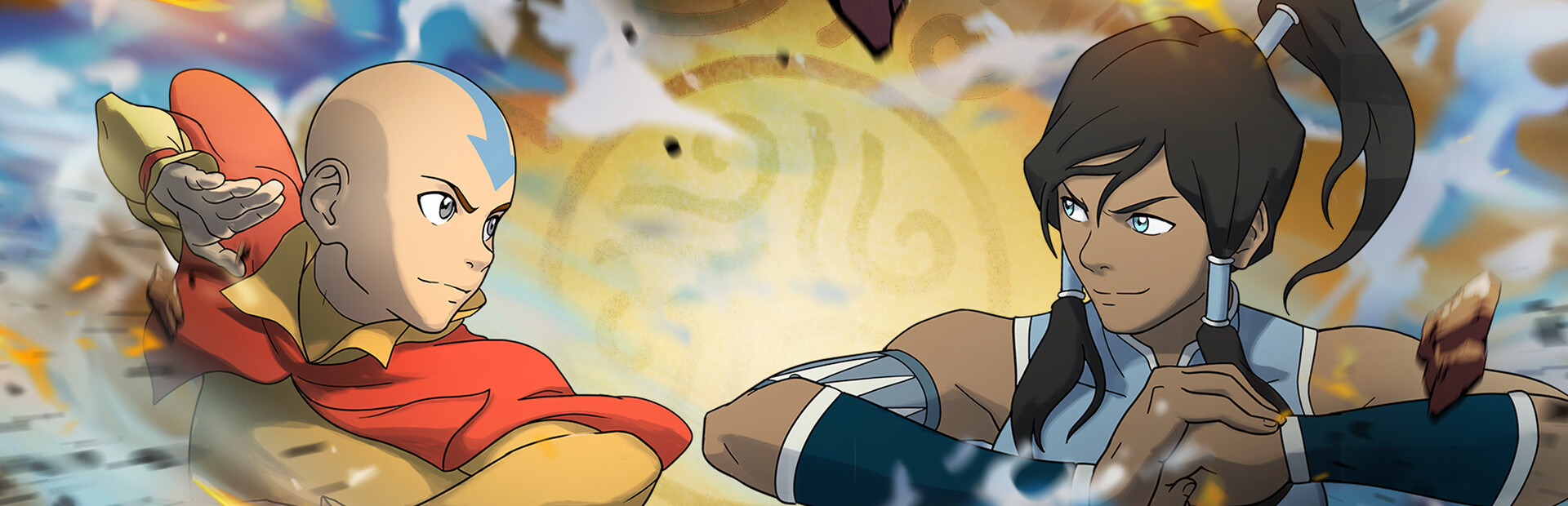
Avatar Legends: The Fighting Game received a major Patch 4.0 on October 28. This practical guide explains the new first-to-three ranked format, changed Flow and throw interactions, refreshed Story Mode, and a simple way to test character adjustments.
Give yourself time to relearn after Patch 4.0
Paramount Games published Patch 4.0 notes on October 28, 2026, with changes to ranked sets, movement interactions, character balance, Story Mode, and training. It also adds two stages and updates several menus. That is a lot to absorb at once, so do not judge your character from one unfamiliar match. Take a few minutes to check the notes and test the changes in practice first.
The patch does not simply add new presentation. It changes how some interactions resolve, including the priority of jump inputs against throws and Flow Movement. Several characters also receive targeted tuning. If an old sequence stops working, it may be a deliberate system change or a character adjustment rather than a controller problem.
This guide uses the official patch notes as the source of truth. It translates those listed changes into practice ideas, not a tier list or guaranteed combo route. The game can receive follow-up fixes, and the patch notes list some known issues. Recheck the current notes if a trial or tutorial behaves strangely.
Use the first-to-three ranked format as a learning set
Patch 4.0 changes ranked play to first-to-three sets. Points are not awarded until the set is complete, the winner cannot lose points from that set, and leaving early results in a penalty. That makes each ranked session longer and gives players more chances to adapt to the same opponent. The first round can be information; the next rounds are your chance to use it.
After losing a round, pick one thing to observe. Does the opponent jump when you approach? Do they challenge after blocking? Are they using the same support option at the same spacing? Try one adjustment rather than changing your entire game plan. A set rewards measured adaptation because you see the same habits more than once.
If you need to leave, finish the set when possible instead of quitting after a frustrating round. The patch explicitly says early exits receive a penalty. Set aside enough time before entering ranked, and use casual matches or training if you only have a few minutes. That small habit protects your rating and gives opponents a complete match too.
Test the new jump, throw, and Flow interactions separately
The notes describe a change to the first frame of jump startup being cancelable into throws. Pressing jump and throw together now gives an air throw when the character is not in blockstun, while throwing from blockstun retains the earlier behavior to prevent an option select. That is a narrow interaction, but it can affect habits players built around simultaneous inputs.
The patch also changes priority when jumping out of Flow Movement: jump now takes priority over attacks in the relevant simultaneous input. In practice mode, test the exact situation with a dummy and repeat it from neutral, dash, and Flow. Keep the situation controlled so you know whether the result came from the patch rule or a different timing window.
Do not assume an input that worked in one state works in every state. The notes distinguish blockstun from normal situations, which is a reminder that defensive and neutral contexts can behave differently. Write down the exact state and sequence when you test. That detail helps you avoid turning a specific rule into a broad claim about every throw or jump.
Recheck your character’s key tools, not every move at once
Patch 4.0 includes character adjustments across the roster. The notes describe changes for Aang, Korra, Katara, Sokka, Toph, Zuko, and others, with stated goals such as improving counterplay, differentiating support options, or making resource use more meaningful. The best way to adapt is to start with the move or setup you rely on most, then see how its timing or reward changed.
For example, the notes say Aang’s dashes can cancel into Flow Techniques earlier and that some actions retain velocity for longer. The change is framed around aerial mobility and his movement options. Test the altered timing with a simple route and see what new spacing it produces. Do not assume every previous combo is stronger; check damage, recovery, and opponent response in the actual game.
Korra’s notes focus on Flow expenditure and reducing the strength of certain close-range situations. Sokka receives multiple support changes, including adjustments to Piandao’s sword-level interactions. These are reminders to review the support attached to your character as well as the main fighter. If a combo trial fails, check whether the support behavior or required resource changed before repeating the same input faster.
Use the refreshed Story Mode to practice without ranked pressure
The patch notes say Story Mode has improved AI difficulty and reworked visual hints and in-game buffs intended to help teach new players. Most fights have been changed to first-to-two, and fight mechanics now award more coins after battles. This gives returning and newer players a lower-pressure way to try the updated combat before taking the changes online.
Pay attention to the visual hints instead of skipping them automatically. If a fight highlights a defensive response or a movement option, test it deliberately and see what changes. The point is not to treat every hint as the only correct answer, but to use the mode as a safe place to connect a prompt with an actual action.
The updated progression screen and coin rewards can also make a session feel different from the earlier version. Take a moment between fights to understand what the game has unlocked or changed. If you are learning a new character, use the calmer pacing to practice a small set of moves before moving into a harder CPU or online match.
Build a short training routine you can repeat
Start with movement and defense: test a jump, a dash, a Flow cancel, and a basic block response. Then practice one short confirm into a special move. After that, choose one support interaction that changed in Patch 4.0 and verify how it works now. A compact routine is more useful than spending an hour on a combo you cannot apply against a moving opponent.
The patch adds novice, intermediate, and expert CPU choices and fixes several training-mode behaviors. Use a lower CPU setting to test whether you can recognize a jump-in or punish a predictable action. Raise the difficulty when the practice starts to feel automatic. If you are working offline on PC, the patch notes recommend leaving the new Input Delay setting at its default three frames.
If a combo trial seems inconsistent, confirm the exact starter, support, and timing before concluding that the patch broke it. The developers list known issues where some trials can register despite a failed final combo, and some Ozai tutorial actions are not properly included. Check the current issue list and use a regular training dummy to verify the actual sequence.
Use matchmaking options based on your goal for the session
Patch 4.0 distinguishes between queueing with Find Match and joining a queue through Training Mode. Find Match prioritizes speed, while Training Mode queueing prioritizes matchmaking fairness. Both routes remain in the same overall queue, but the priority differs. Choose based on whether you want a quick set or a better chance of a closer skill match.
If you are learning a new character, training queueing can let you warm up while waiting and may prioritize a fairer opponent. If you simply want a match quickly, Find Match is the direct option. The notes explain the intent but do not promise exact wait times or a perfect skill match, so use the choice as a preference rather than a guarantee.
Use chat macros and lobby titles to set expectations with other players. The update adds titles such as Beginners Only and rematch macros. If you want relaxed practice, communicate that before the first round. A friendly lobby makes it easier to ask for a rematch, test a matchup, and learn from a loss without turning every set into a stressful rating check.
A simple Patch 4.0 return checklist
First, read the patch section for your character and support. Then test one movement interaction, one defensive response, and one route you use often. If you play ranked, commit to a full set and focus on adapting after the first game. If you are still learning, use the refreshed Story Mode, tutorials, or a CPU setting that gives you time to recognize patterns.
Next, check the new stage layouts and menu options. Familiar visuals may have changed, and stage awareness matters when you need room to move or retreat. Try one casual match where the goal is observation, then another where you act on one specific lesson. This is enough to rebuild confidence without trying to solve the whole patch in one sitting.
Patch 4.0 gives Avatar Legends players a substantial reason to revisit their habits. The strongest response is not to chase an instant tier list; it is to verify your inputs, understand your character’s updated tools, and practice in a mode that suits your current comfort level. Use official follow-up notes if the game receives additional fixes.
CHECK THE ORIGINALS.
Facts and update details above are based on these official sources. Details can change as the game is updated.
- Avatar Legends: The Fighting Game Patch 4.0 Notes ↗Paramount Games
- Avatar Legends: The Fighting Game ↗PM Studios
- Avatar Legends: The Fighting Game on Steam ↗Paramount Games / Steam
Loading comments…